Skill alone is not enough: lessons from three years in Japan
28/10/2026 · PetM&M veterinary team
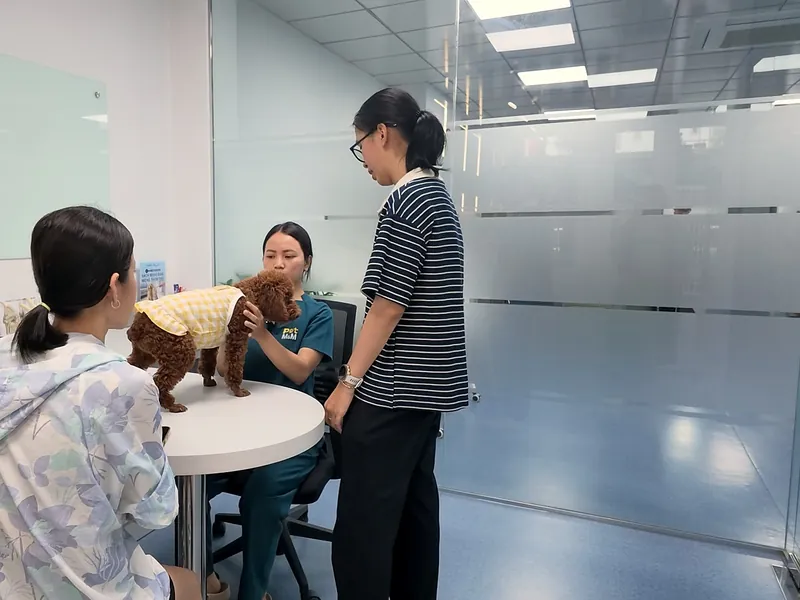
Three years as a veterinary nurse in Japan taught one thing: expertise is only half. The rest is caring for owner and pet, as pets can't say where it hurts.
Someone once asked me how much of veterinary work comes down to professional skill. It is a hard question, and honestly I had never sat down to work it out. But thinking it over, I believe it is fifty-fifty. I hold that belief because of three years working at a veterinary hospital in Japan.
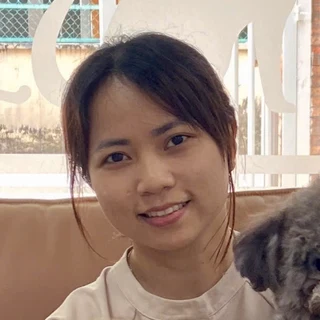
When you go abroad, a Vietnamese veterinary degree is hardly recognised by most developed countries. So at that time I went to Japan to study and work, spending about three years as a nurse at a veterinary hospital. After that I came back to Vietnam and returned to my own profession as a vet.
Even though I was only a nurse there, I saw how a veterinary hospital in a developed country is run: what they do, how they set up the space to welcome pets, and how they look after their clients. In Japan, service always comes first. Wherever I went, I saw people welcome and look after customers with great care. I learned a little from that, along with how to examine, how to talk to pets and how to care for them.
If we have good skills but do not put our heart into caring for pets, sometimes one careless action can leave a pet stressed and frightened. When that happens, even the medicine does not work as well as we would like.
The Japanese have a word for the opposite kind of care: omotenashi. It means thinking of the other person first, and only then taking the next step to help them. Attentive, thoughtful, unhurried. That is the spirit I want to bring to every consultation.
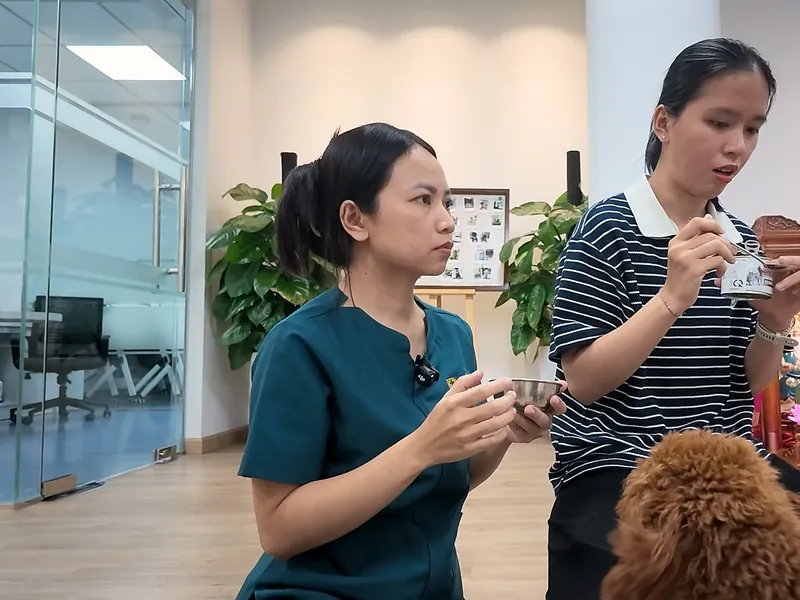
Veterinary care differs from human healthcare in one important way. When we see a doctor, we can say where it hurts, how it hurts and how we have been at home. Pets cannot. Every piece of information has to come through the owner.
So if the way we approach and talk with owners does not draw out that information, the examination cannot be any better. Caring for the owner and listening to the owner is therefore part of treating the pet. For me, fifty is good professional skill, and the other fifty is caring for both owner and pet, and the two halves matter equally.
Part of listening is speaking the same language. At PetM&M, our vets can communicate in several languages, most commonly English, so we can talk clearly with clients from any country. Because I studied and worked in Japan, I can also speak Japanese, and some Japanese clients have come back to us. We also regularly see clients from the US, Cambodia, China and France.
When owners can talk in the language they are most comfortable with, they understand everything, and it is easier for the vet to give guidance. We talk directly, not through Google Translate or ChatGPT, because information is often lost in machine translation.
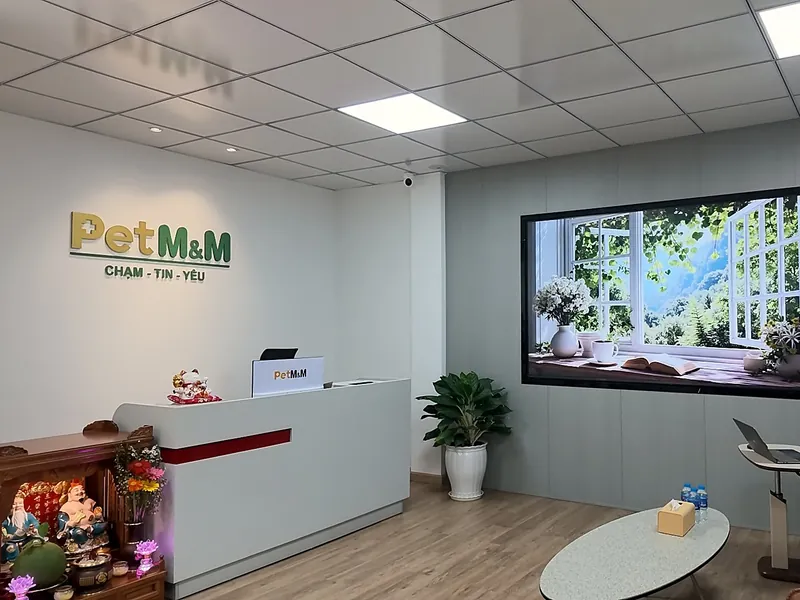
From the first days of design through to opening, PetM&M Veterinary Hospital was built to Japanese standards. To be honest, we are not fully there yet, and there are still things to improve. But every day, everyone on the team works towards that shared goal, keeps learning and improving, and passes it on to newer colleagues so we all work the same way, from how we care for pets to how we welcome clients.
Everyone who joins, vets included, does practice training first: learning how to welcome clients, how to help them and how to talk with them. Only after that do they start real work, welcoming clients in person.
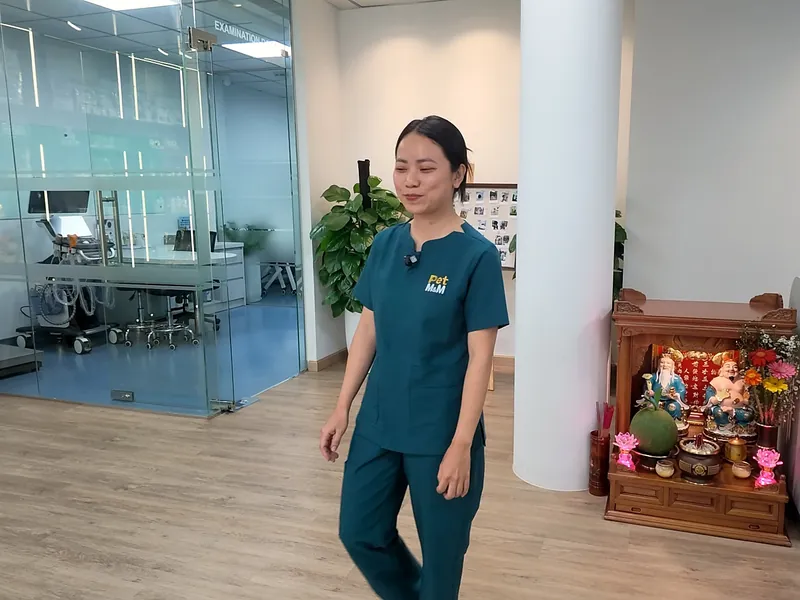
Professional skill helps us treat the right illness. Care and attentiveness help pets stay calm enough to be treated, and help you feel at ease enough to tell us everything about your pet. Without either one, a consultation is not complete.